
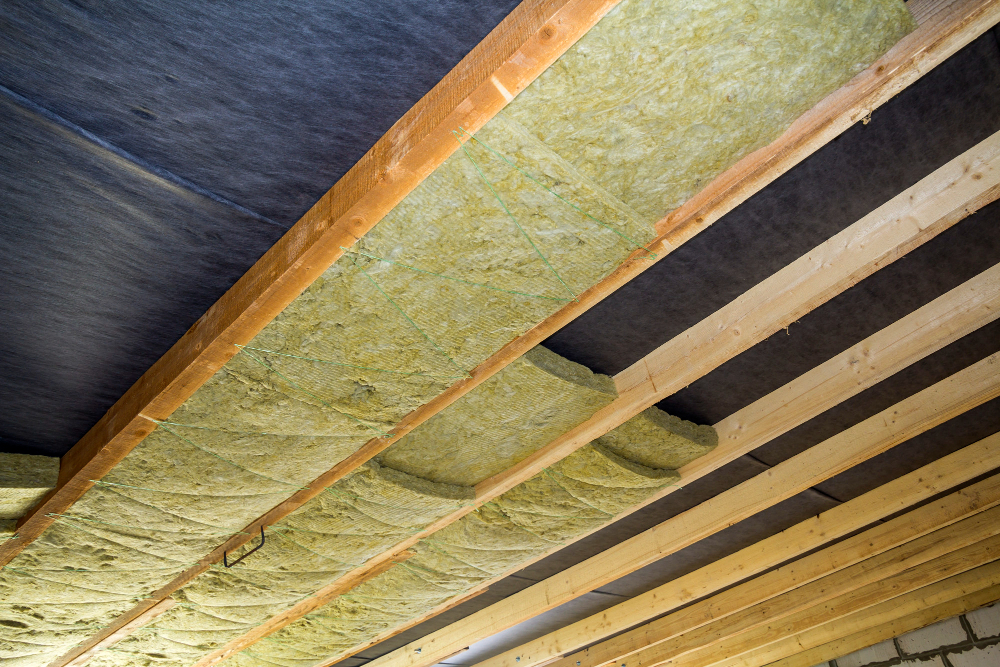
Underfloor insulation is a method of adding thermal insulation material beneath the flooring of a building, typically between the floor joists or directly underneath the floor.
The primary purpose of underfloor insulation is to reduce heat loss from the building’s interior and improve energy efficiency.
It helps maintain a more stable and comfortable indoor temperature, particularly in cold or drafty buildings.
Here are the key aspects of underfloor insulation:
How Underfloor Insulation Works:
- Installation Location: Underfloor insulation is installed in the void or space between the ground (or the building’s foundation) and the underside of the floor.
- Heat Retention: The insulation material acts as a barrier, reducing the transfer of heat from the heated interior of the building to the unheated area beneath.
- Energy Efficiency: By preventing heat loss through the floor, underfloor insulation helps reduce heating costs and makes the building more energy-efficient.
- Comfort: A well-insulated underfloor can eliminate drafts and cold spots in the living areas, improving overall comfort.
- Condensation Control: Underfloor insulation can help prevent condensation on the underside of the floorboards by maintaining a warmer temperature.
The process of adding underfloor insulation typically involves the following steps:
- Assessment: A professional inspects the existing underfloor area to determine the type of insulation required and the extent of the work.
- Installation of Insulation Material: Appropriate insulation material is added between the floor joists or placed directly underneath the floor. Common insulation materials include fiberglass, mineral wool, rigid foam boards, or spray foam insulation.
- Sealing Gaps and Voids: Gaps and openings in the floor and walls of the underfloor area are sealed to ensure that air and moisture do not penetrate the insulation material.
- Moisture Management: Adequate moisture barriers may be installed to prevent moisture from rising through the ground into the underfloor space.
- Access and Maintenance: Access points may be created or maintained to provide access to the underfloor area for inspection and maintenance.
Underfloor insulation is suitable for a wide range of building types and is particularly effective for buildings with raised wooden floors, crawl spaces, or suspended ground floors.
It’s a cost-effective way to improve energy efficiency and reduce heating costs, especially in older buildings that may have minimal or no insulation in this area.
Proper installation is essential to ensure the insulation’s effectiveness, and it’s often recommended to engage experienced professionals for underfloor insulation projects.
Complying with local building regulations and guidelines is crucial to ensure a safe and effective installation.